
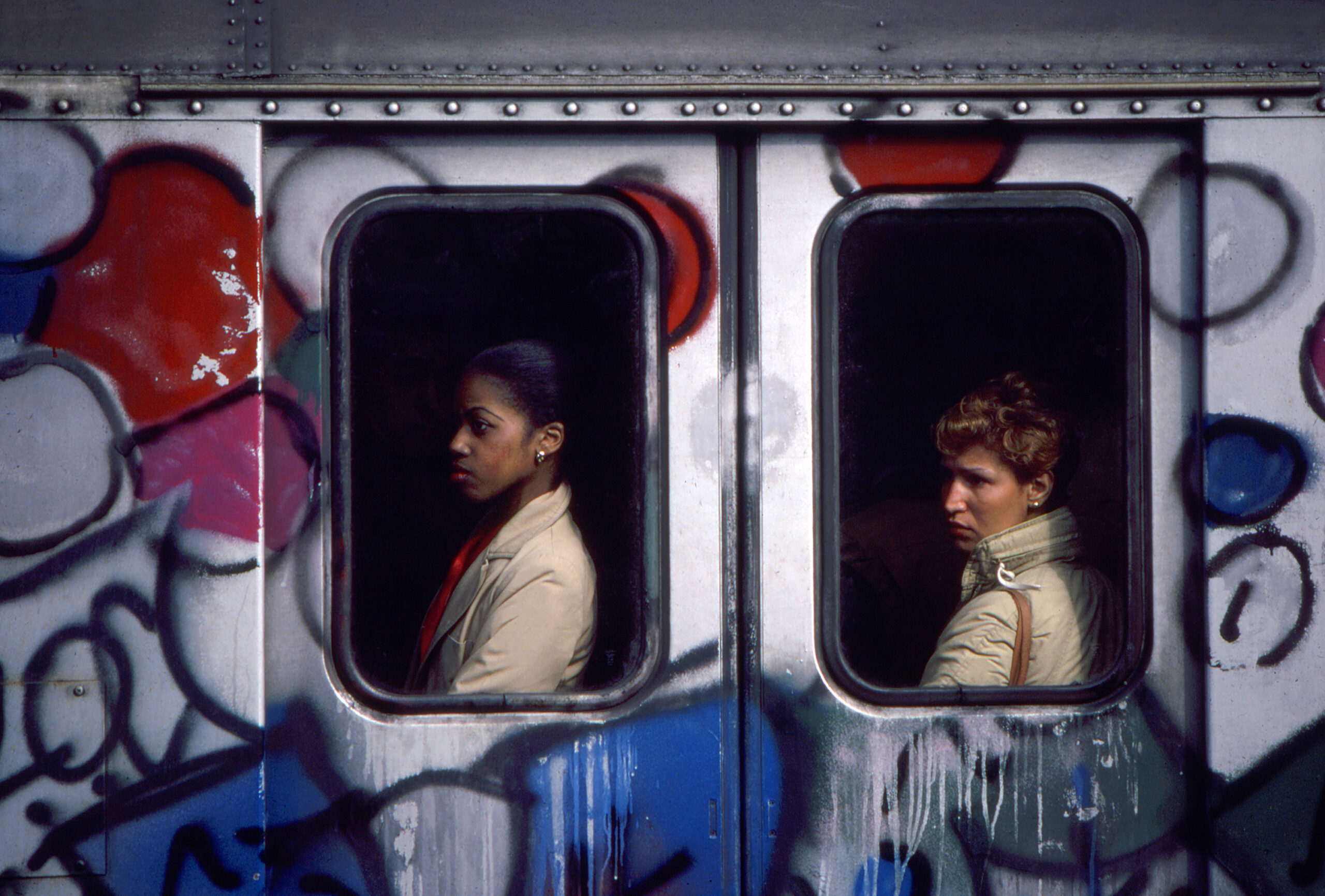
There is a moment when a tag stops being vandalism and starts becoming history, not because it has changed, but because the city around it has. This summer, Paris becomes the latest stop for Beyond the Streets, the international exhibition that, after acclaimed editions in Los Angeles, New York, London and Shanghai, has arrived at La Grande Halle de la Villette for its most ambitious French edition yet. Spanning 3,600 square meters, the exhibition brings together more than one hundred artists whose work has shaped not only walls, trains and abandoned buildings, but the visual language of contemporary cities themselves.
For decades, graffiti existed in the margins: it was anonymous, illegal, and impossible to own. Yet its influence quietly seeped into fashion, graphic design, advertising, photography, music and contemporary art until it became almost impossible to imagine visual culture without it. Beyond the Streets doesn’t simply celebrate that evolution. It asks a more interesting question: what happens when an underground movement enters the museum without losing its edge?
Rather than presenting graffiti as a nostalgic chapter of urban history, the exhibition treats it as a living language. Visitors move through monumental installations, recreated environments, rare archives and newly commissioned works that blur the line between exhibition and city itself. Many of the works on display have been created especially for the Paris edition, making the show feel less like a travelling retrospective than a new conversation with the French capital.
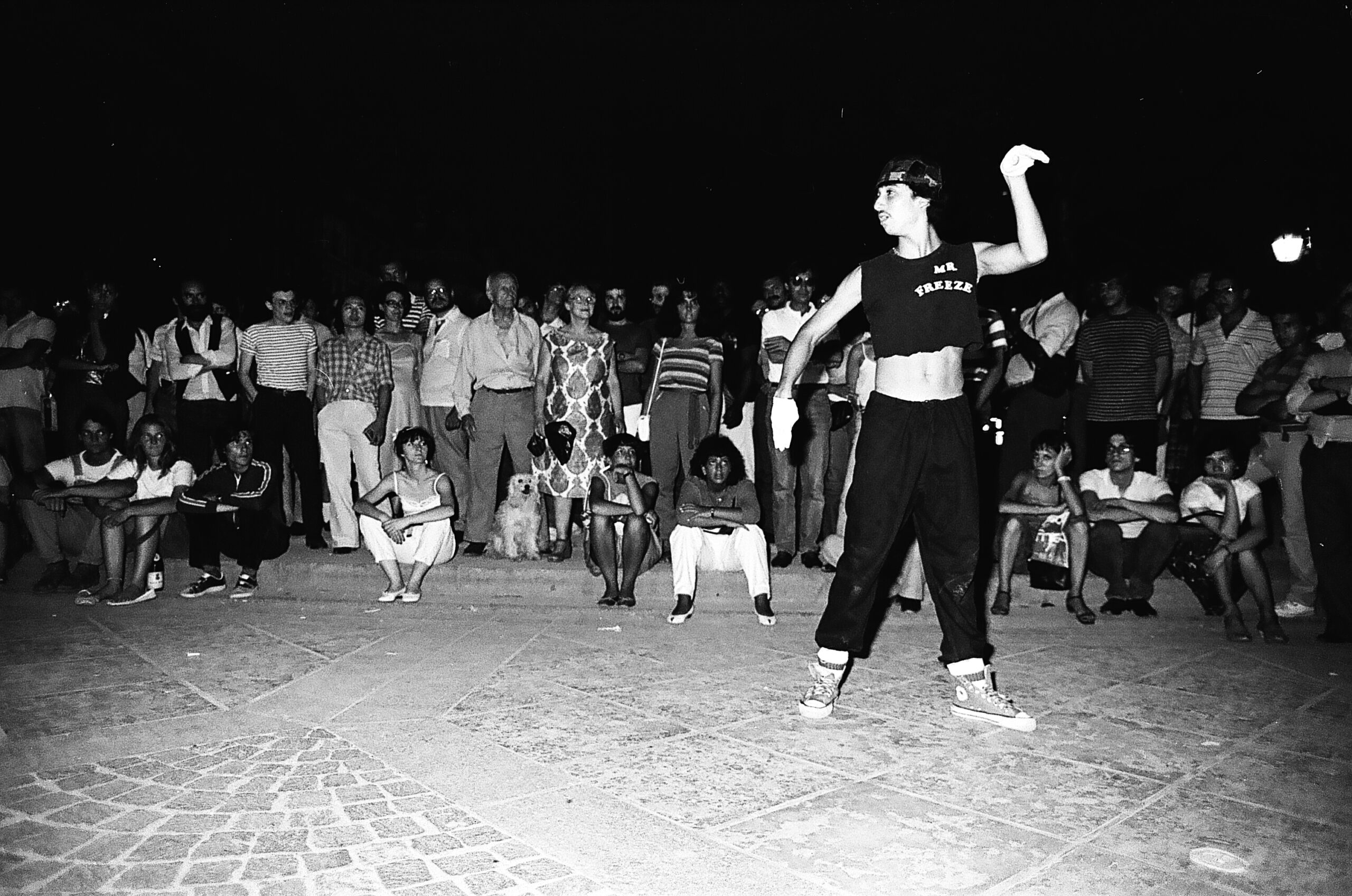
Mr Freeze by Philippe Julles Ardouin
Among the artists featured are Keith Haring, Shepard Fairey, Futura 2000, Barry McGee, JR, Invader, JonOne, Lady Pink, FAFI, André Saraiva, VHILS, Beastie Boys, Damien Hirst and many others whose practices have expanded the definition of urban art over the past five decades. Rather than a simple roll call of famous names, the exhibition proposes an ecosystem in which pioneers, photographers, activists and contemporary artists speak across generations.
One of the exhibition’s greatest strengths lies in its refusal to separate graffiti from the wider culture that produced it. A full-scale 1980s New York subway carriage recalls the years when trains became moving galleries. Elsewhere, immersive rooms dedicated to vintage spray paint, reconstructed street scenes, artist-designed environments and archival spaces reveal graffiti not simply as an artistic practice, but as a complete urban ecosystem shaped by music, fashion, photography, skateboarding and collective memory. With more than thirty site-specific installations, the exhibition feels less like walking through a museum than drifting through an imagined metropolis built from memory, rebellion and colour.
That perspective owes much to curator Roger Gastman, whose decades of work documenting graffiti, including producing Exit Through the Gift Shop with Banksy, have helped establish the movement as an essential chapter in contemporary art history. For the Paris edition, Roger Gastman joins forces with Sarah Andelman, the founder of the legendary Paris concept store colette, whose curatorial eye extends beyond the exhibition itself into an exclusive gift shop conceived especially for the project. Their ambition is refreshingly straightforward: to tell the story of graffiti with the participation and approval of the artists themselves, restoring authorship to a culture whose history has too often been fragmented, mythologised or misunderstood.
Paris is a fitting destination. Few cities have maintained such a long and complex relationship with street art, from the poetic interventions of Gérard Zlotykamien to the international visibility of JR, Invader or André Saraiva. Beyond the Streets acknowledges that history while placing it inside a much broader global conversation, one that stretches from New York subway cars to today’s urban landscapes. The exhibition ultimately reminds us that cities are never finished. Every generation rewrites them, sometimes with concrete, sometimes with architecture, and sometimes with nothing more than a spray can. In the end, graffiti has never simply been about painting walls: it has always been about claiming space, leaving a trace, and imagining another way of inhabiting the city.
Beyond the Streets, The Legends of Street Art & Graffiti
On view until August 30, 2026 at La Grande Halle de la Villette (Hall 3), 211 avenue Jean Jaurès, 75019 Paris
Beyondthestreets.com
Instagram.com/beyondthestreetsart