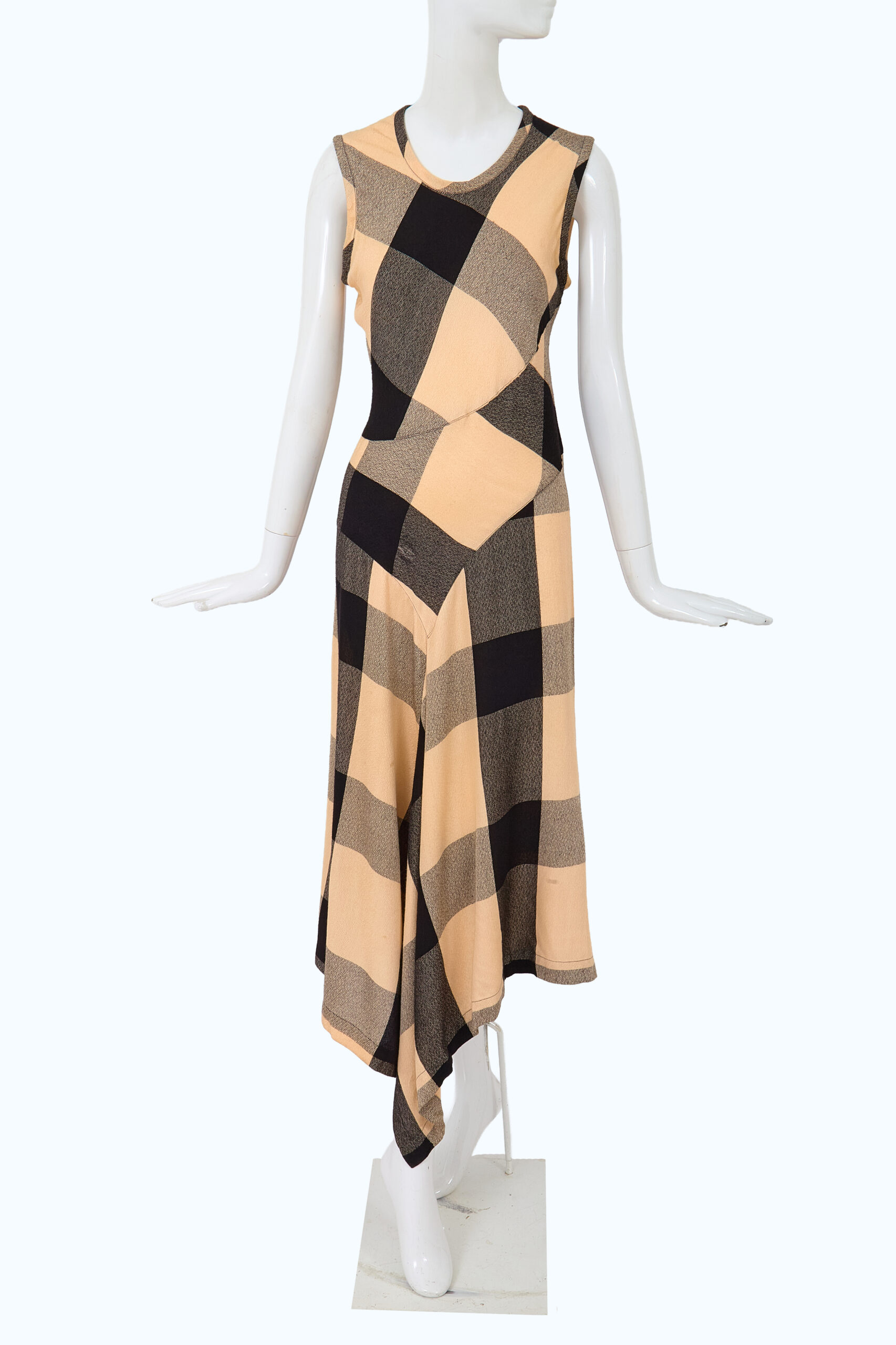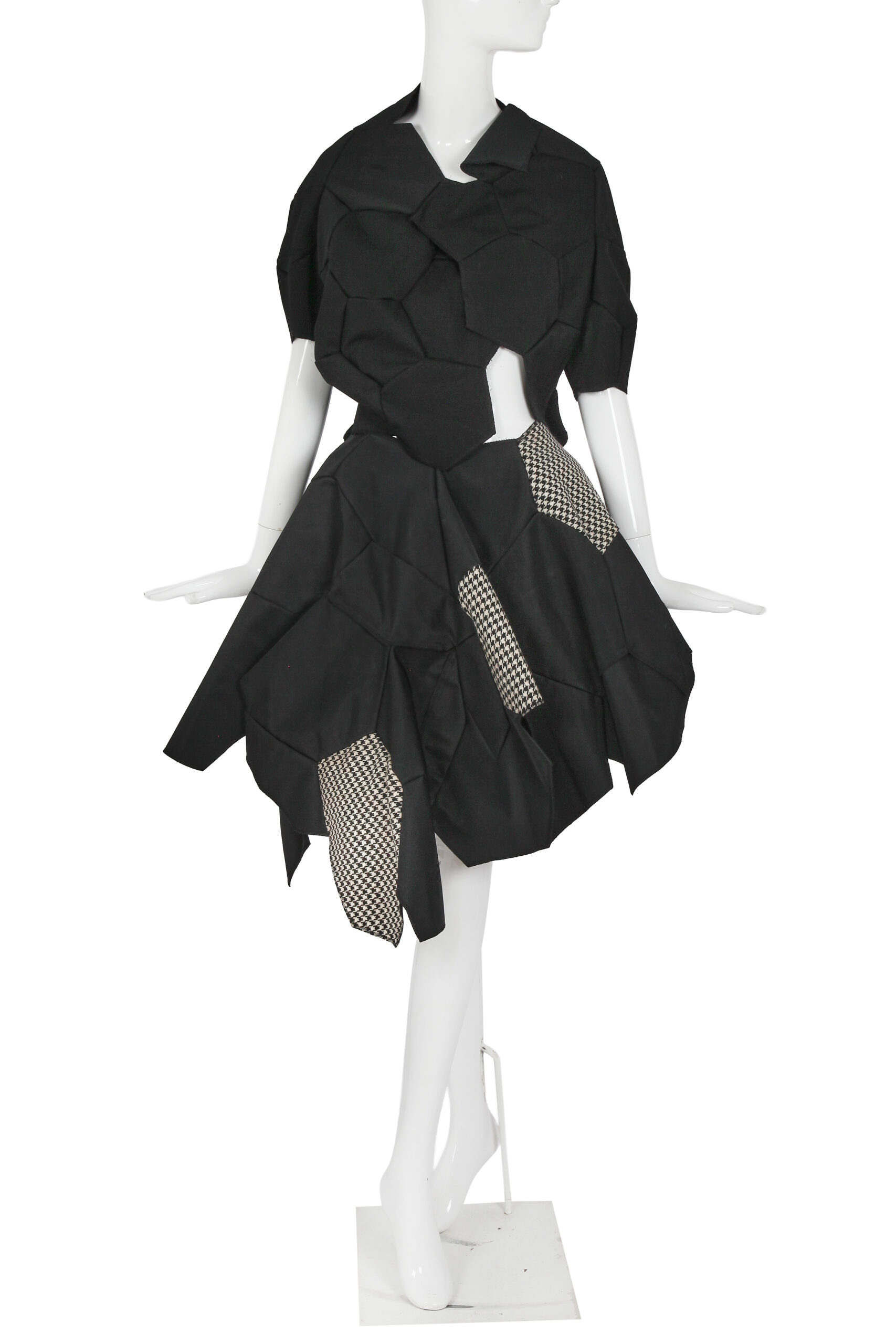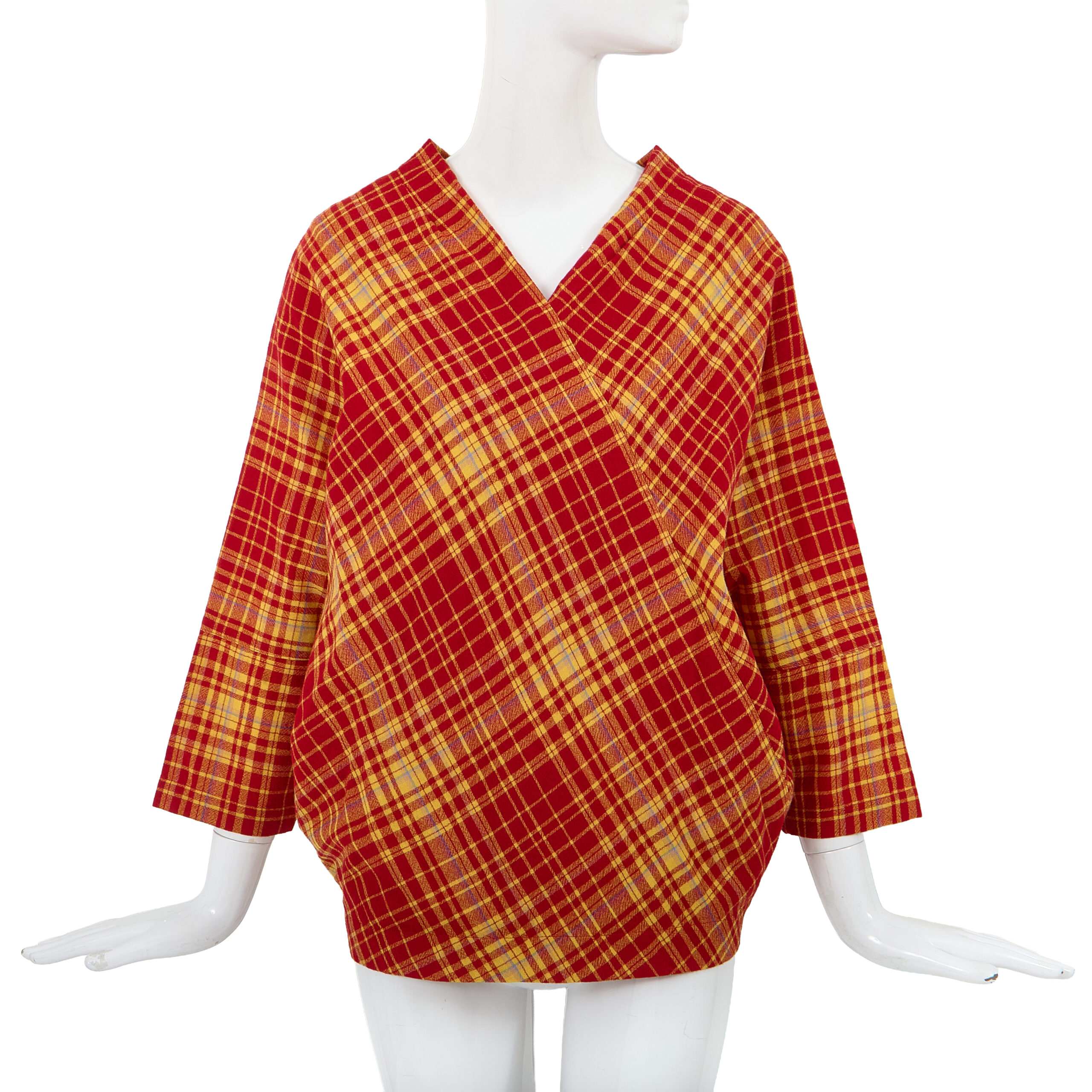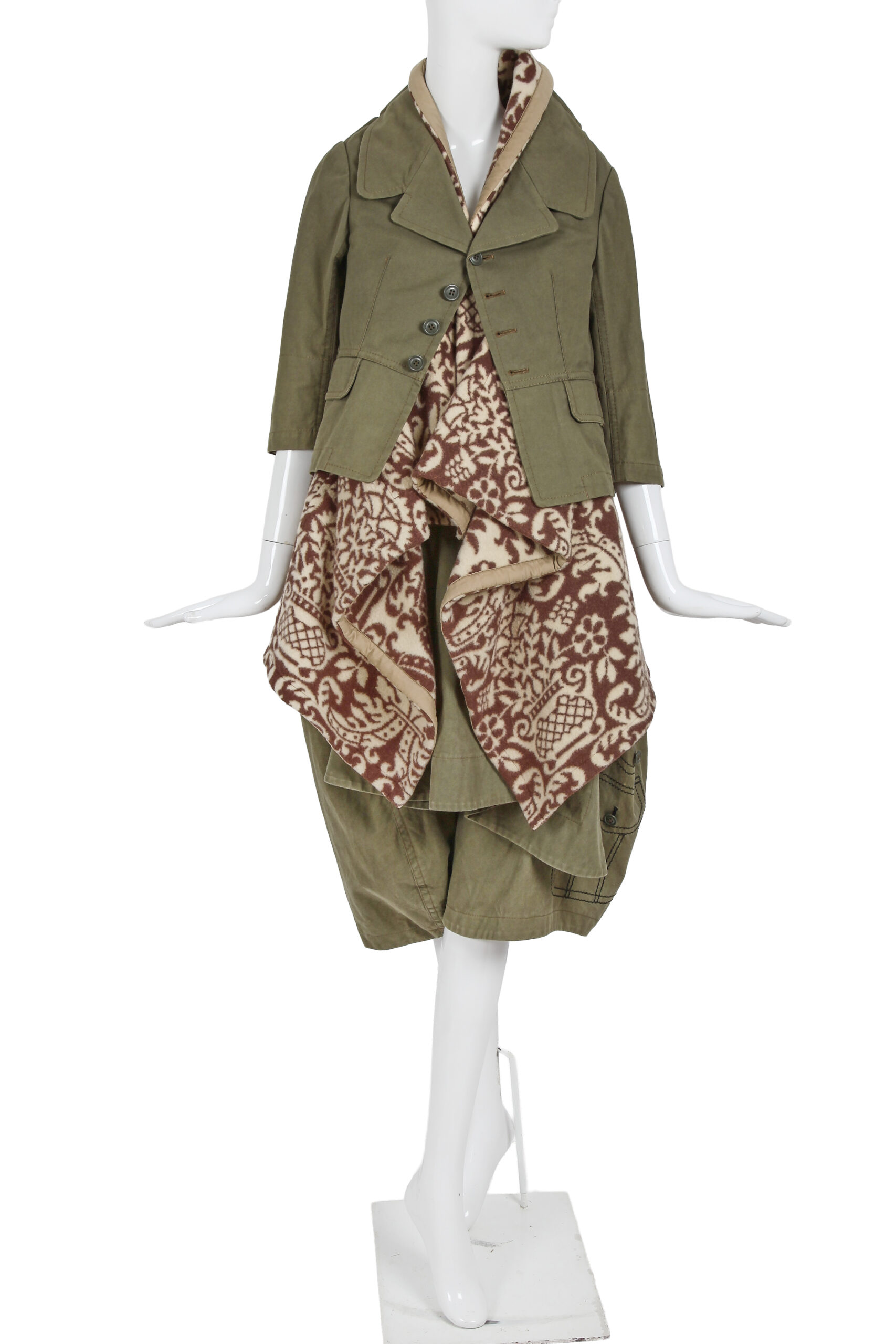
What happens when seventeen years of obsession go under the hammer? As dot COMME prepares to move its vast archive from Melbourne to Paris, 265 pieces from Octavius La Rosa’s extraordinary Comme des Garçons collection are heading to auction in London. CITY brings together the collector who assembled them and the specialist entrusted with the sale.
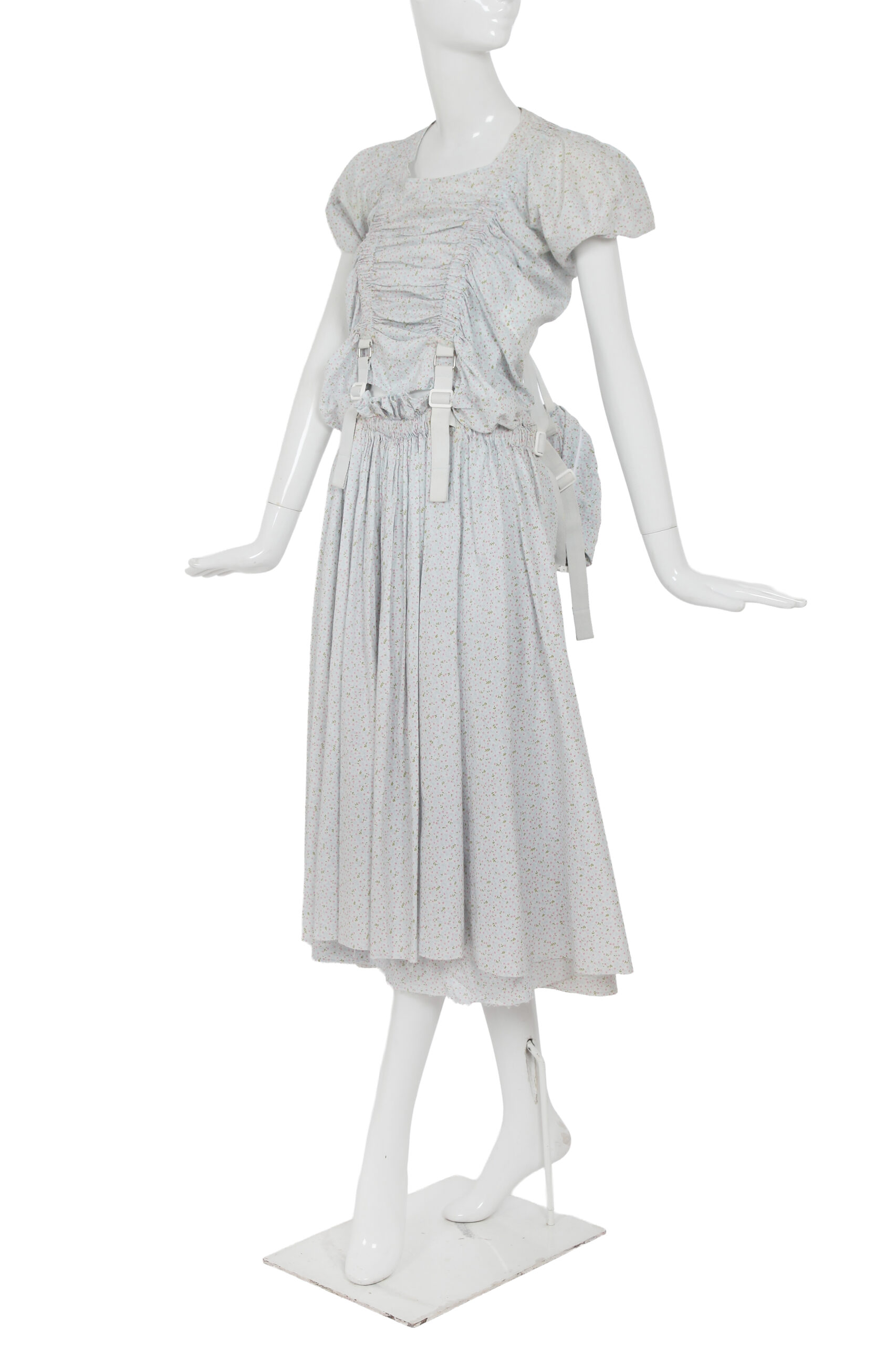
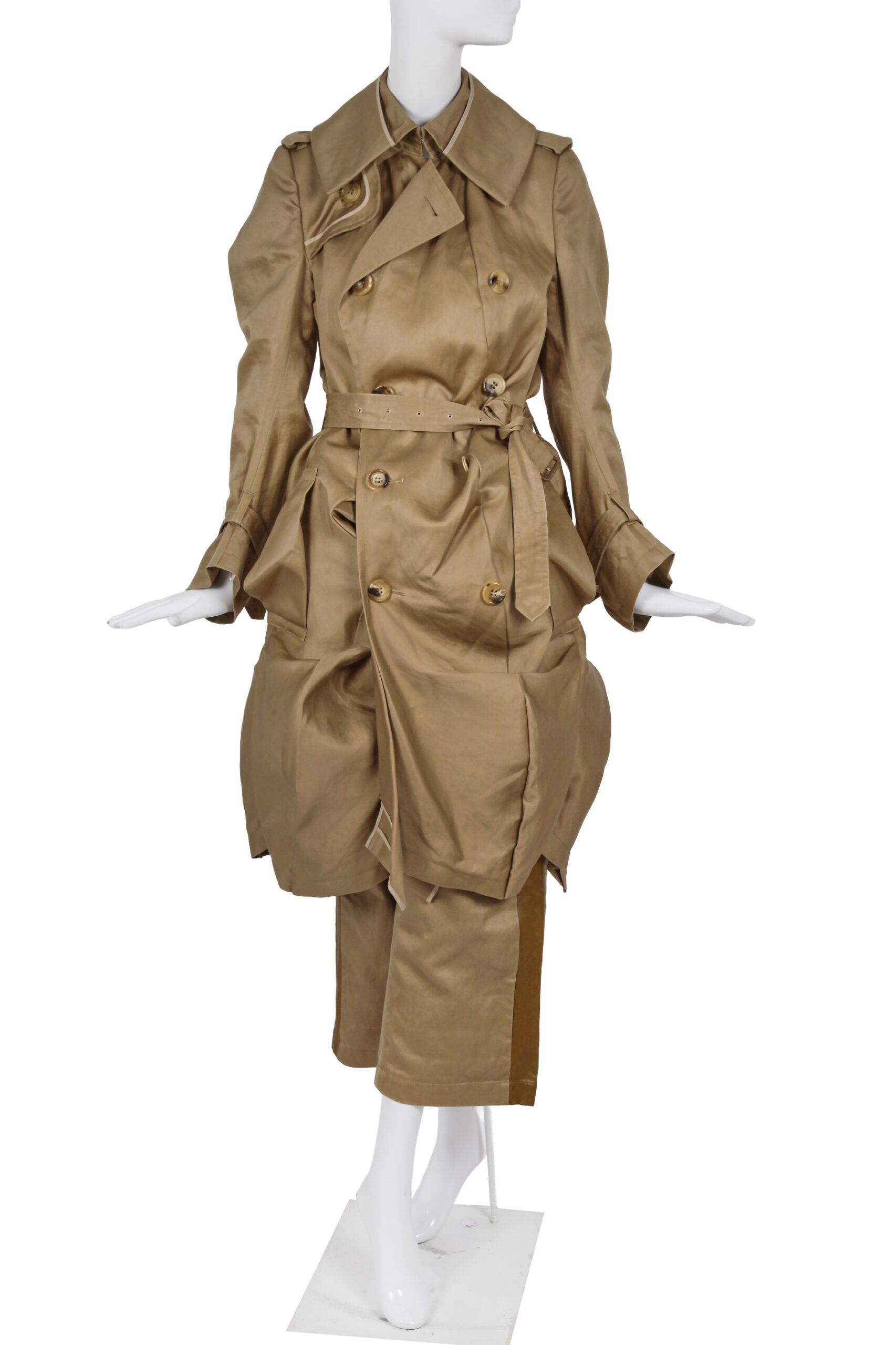
On September 15, Kerry Taylor Auctions in London will offer 265 lots from the dot COMME archive, assembled by Octavius La Rosa over the past seventeen years. From exceptionally rare pieces dating from the 1970s to Rei Kawakubo’s first Paris collections and some of her most radical designs of the following decades, the sale offers an extraordinary journey through the history of Comme des Garçons.
But the auction also comes at a turning point for dot COMME. Octavius La Rosa has already established a permanent presence in Paris and is now preparing to move the dot COMME archive from Melbourne to the French capital this autumn.The collection (some 4,000 pieces) is set to become a resource for viewings, research, rentals and exhibitions, giving La Rosa’s long-running obsession a new home in the city where Kawakubo first confronted the European fashion establishment more than four decades ago. CITY spoke to Octavius La Rosa and Alex Baddeley, Director at Kerry Taylor Auctions, about collecting, beauty, value, letting go, and the enduring power of Rei Kawakubo’s work.
Alex, when you first saw the dot COMME archive, what made you realise that this was more than simply a large collection of Comme des Garçons?
ALEX BADDELEY: It is obvious the care Octavius has gone to in curating this collection. Over many years, he has treasured not only the extravagant and well-known runway looks but also the subtler designs that others might easily overlook. It is because of this that he has accumulated such an impressive collection of 1970s pieces, which may appear slightly more subdued compared to some later designs, but the trained eye can see the genesis of design ideas that continued to underpin the brand for decades to come. Octavius certainly has this eye, and it is apparent in items like a plain black cardigan from 1982, and in the runway looks that are complete with matching shoes from the 2000s. He cares deeply about it all, and so it has been a privilege to be chosen to work on this project with him.
Octavius, you say you spend “70% of your waking hours thinking about Comme.” Has your understanding of her clothes changed over the years?
OCTAVIUS LA ROSA: For sure, my taste has changed over the years, collections which maybe didn’t stand out initially, on a second glance are now some of my favourites. I’m always finding new reason to fall in love with the designs, especially when I find a favourite piece I’ve been looking for and I’m able to see it in person, touch it and see the construction.
CITY: Comme des Garçons has always questioned conventional ideas of beauty, proportion and even what a garment should be. Octavius, what has collecting these clothes taught you about the way we dress, or about beauty itself?
OCTAVIUS: It’s taught me to be free in how I present myself. In terms of conventional ideas of beauty and proportion, Comme has certainly blurred the lines. Even if perhaps it’s not understood during its time, in retrospect it has redefined conventional ideas of dressing. What I find beautiful is the freedom to create and a genuineness in what we do. In saying this, there’s many ways to categorise beauty and I also find beauty in the banal and the mundane as much as I do in a fine work of art.
Alex, Comme des Garçons was once considered difficult, even confrontational fashion. What does the market for Rei Kawakubo look like today? Who is buying these pieces now: fashion collectors, museums, younger designers, or people who actually intend to wear them?
ALEX: What’s interesting is that some clothing from the 1980s which was perhaps deemed unwearable at the time, seems quite understated by today’s standards, and there is a new generation of collectors who are discovering these runway shows for the first time. But it is still true that one might need a certain level of confidence to feel at ease in the more elaborate designs. What is important with Comme, is that wearing these clothes always makes you feel special. And there is a real sense of joy in the creativity of the designs. I hope that major fashion collectors will be acquiring some of the rarer pieces, but I likewise hope that many of the items are worn, cherished and enjoyed as they were always intended.
How do you put a monetary value on a garment whose importance is primarily conceptual or historical? What determines the estimate for a Comme des Garçons piece: rarity, provenance, collection, condition, runway significance, or something less tangible?
ALEX: It is not an easy task. There are pieces we have never seen anything the like of on the market before so it will be interesting to see how people react to them. There are however, certain runway collections that have been burned into our collective cultural consciousness, and it is those more recognisable looks that we have valued higher – the things you see they immediately take you back to the specific feeling of a moment in time. Rarity can sometimes be a red herring when valuing things – the rarer something is, often the less recognisable it is, so its significance narrows to only a very narrow (although very dedicated) market. It is about finding a balance between scarcity and renown.
The auction spans more than four decades. Octavius, if you had to choose the moments that best explain Rei Kawakubo’s importance to someone unfamiliar with her work, which would they be?
OCTAVIUS: 1981 debut in Paris – it shook up the fashion industry, the oversized all black shapeless garments in worn looking fabrics created a great divide and it really was something totally alien at the time.
1993 – If I may be subjective, for me there was a new energy and trajectory in the designs from this time.
2004 – the inception of Dover Street Market after several years of opening guerilla stores at various locations around the world.
2014 – “not making clothing” collection introduced a new direction to the designs. The show looks were now wearable sculptures with a line diffused from the runway designs – not ready to wear, as it had been up until this point.
And Alex, if you had to choose just one piece from this auction to place in a museum a hundred years from now as an explanation of why Rei Kawakubo mattered, which would it be?
ALEX: It would have to be the grey wool dress with twisted pleats from the ‘Gloves, Skirts, Quilted Big Coats’ collection, Autumn-Winter 1983-84. This dress began as a vast sheet of fabric that was twisted and tacked in place so that it clung tightly to the wearer’s body. It embodies everything that I love about the brand, the sense of scale, texture, playfulness, surprise and of course chicness.
Octavius, after spending so many years searching for these pieces, how do you decide what you are finally prepared to let go?
OCTAVIUS: It’s all a journey. There have been other times in my journey as a collector where I’ve had to part with pieces I was attached with in order to further myself and my collection. I have to tell myself that there will be more opportunities in the future to find new pieces and at the moment it’s important for me to grow other facets of the business such as moving everything to Paris to start the rental component and documenting everything, running exhibitions and moving the Melbourne store to a new location. There’s a lot of great pieces, I think one of my favourites is a patchwork dress from 93AW.
Conversely, is there one lot in the sale that you secretly hope nobody buys?
OCTAVIUS: I’ve made my peace but of course I’d happily welcome any of them back in the fold.
You are moving the dot COMME archive from Melbourne to Paris and have established a permanent space here. Why Paris, and what do you want this place to become beyond a store?
I’ve been visiting Paris for many years and I love the city, it’s also the seat of the fashion industry and a natural fit to host the collection. I’d like to do more with collection, some more regular exhibitions and to open up a dedicated space to set it up for viewings.
And after all these years of collecting Comme des Garçons, has it changed the way you dress yourself? What does getting dressed mean to you today?
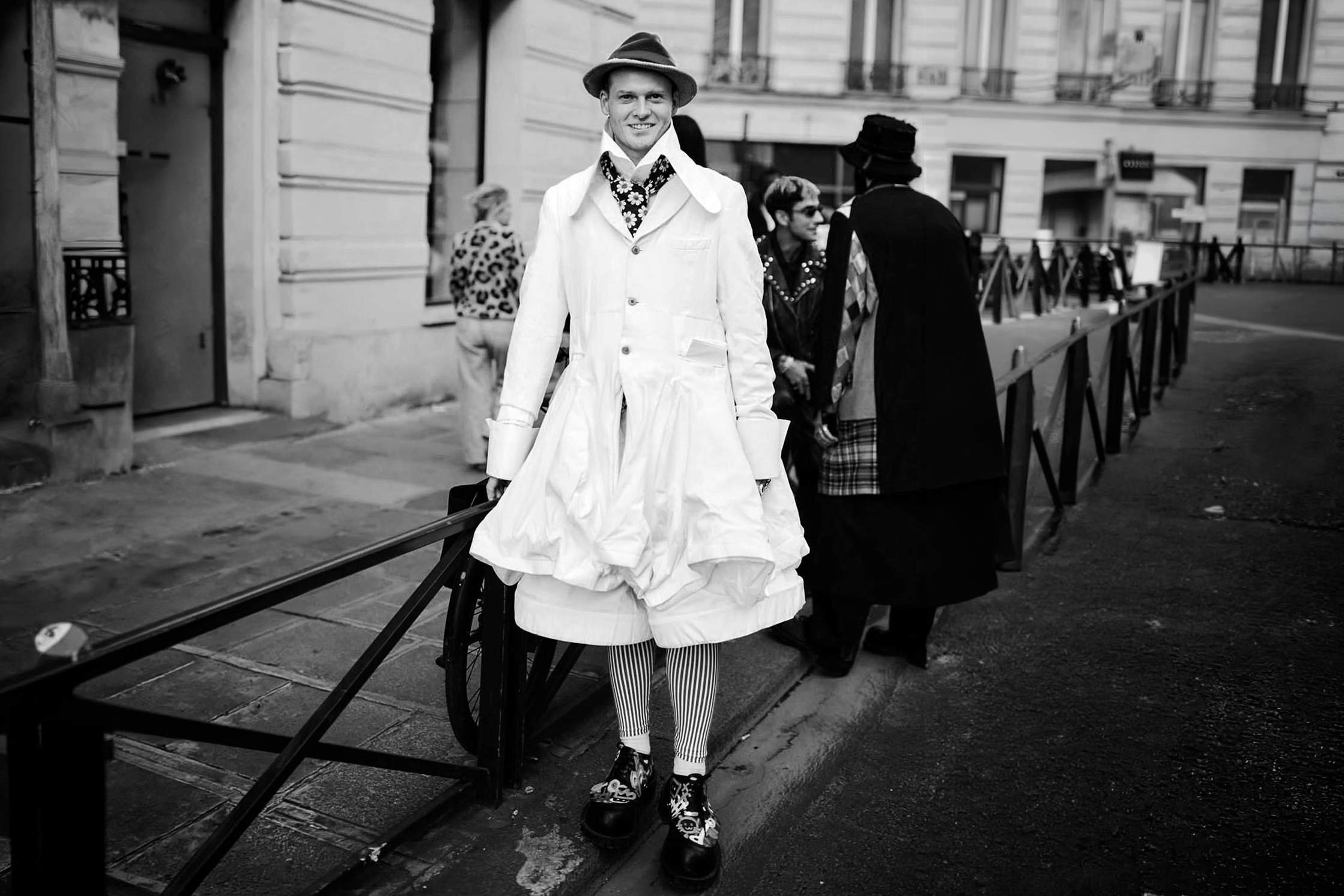
OCTAVIUS: I can’t help but be infused with the Comme des garçons spirit and attitude when I dress but of course, I don’t only wear Comme, I love to mix and match, maybe some vintage pieces, big hats, but most of all just to have fun.
dot COMME: The Auction
15 September 2026, 10am
Public viewing: 11, 13 & 14 September
Kerry Taylor Auctions
249–253 Long Lane, London SE1 4PR
Kerrytaylorauctions.com