

Beauty has never been more visible, or more exhausting. At Bozar in Brussels, Picture Perfect gathers more than sixty artists to question the faces, bodies and fantasies we have been taught to desire. From rhinoplasty clinics in Tehran to queer portraiture, bodybuilding, filters and voguing culture, the exhibition dismantles perfection and rebuilds beauty as something far more human.
There is a moment, somewhere near the end of Picture Perfect, when the exhibition quietly changes register. After rooms filled with mirrors, sculpted bodies, cosmetic rituals, advertising languages and impossible ideals, you arrive before images that feel unexpectedly tender: aging skin dusted with glitter, bodies usually pushed outside the frame, faces that refuse performance. The effect is disarming. Beauty, the exhibition seems to suggest, was never the problem. The problem was who got to define it.
Walk into Picture Perfect at Bozar and the first instinct is almost physical: you begin looking at yourself differently. Not because the exhibition flatters, but quite the opposite: it unsettles. Spread across photography, film, video installations and digital works spanning the early 1970s to today, the show gathers an extraordinary constellation of artists who have spent decades interrogating the machinery of beauty: the industries that sell it, the images that manufacture it and the bodies expected to carry it. The result feels less like an exhibition than a slow dismantling.
The opening rooms still echo with familiar codes: perfect faces, symmetry, youth, thinness, the long shadow of classical ideals that continue to haunt Instagram feeds and cosmetic clinics alike. But the cracks appear quickly. One wall brings together the extraordinary photographs of Nigerian photographer J.D. ‘Okhai Ojeikere. His celebrated Hairstyles series transforms hair architecture into sculpture, elaborate braided constructions becoming maps of memory, status and identity. Nearby, portraits by Rineke Dijkstra suspend adolescents somewhere between vulnerability and self-invention, their bodies still undecided, resisting the polished certainty contemporary beauty culture demands. Beauty here stops being fixed. It becomes cultural, fragile, negotiated.
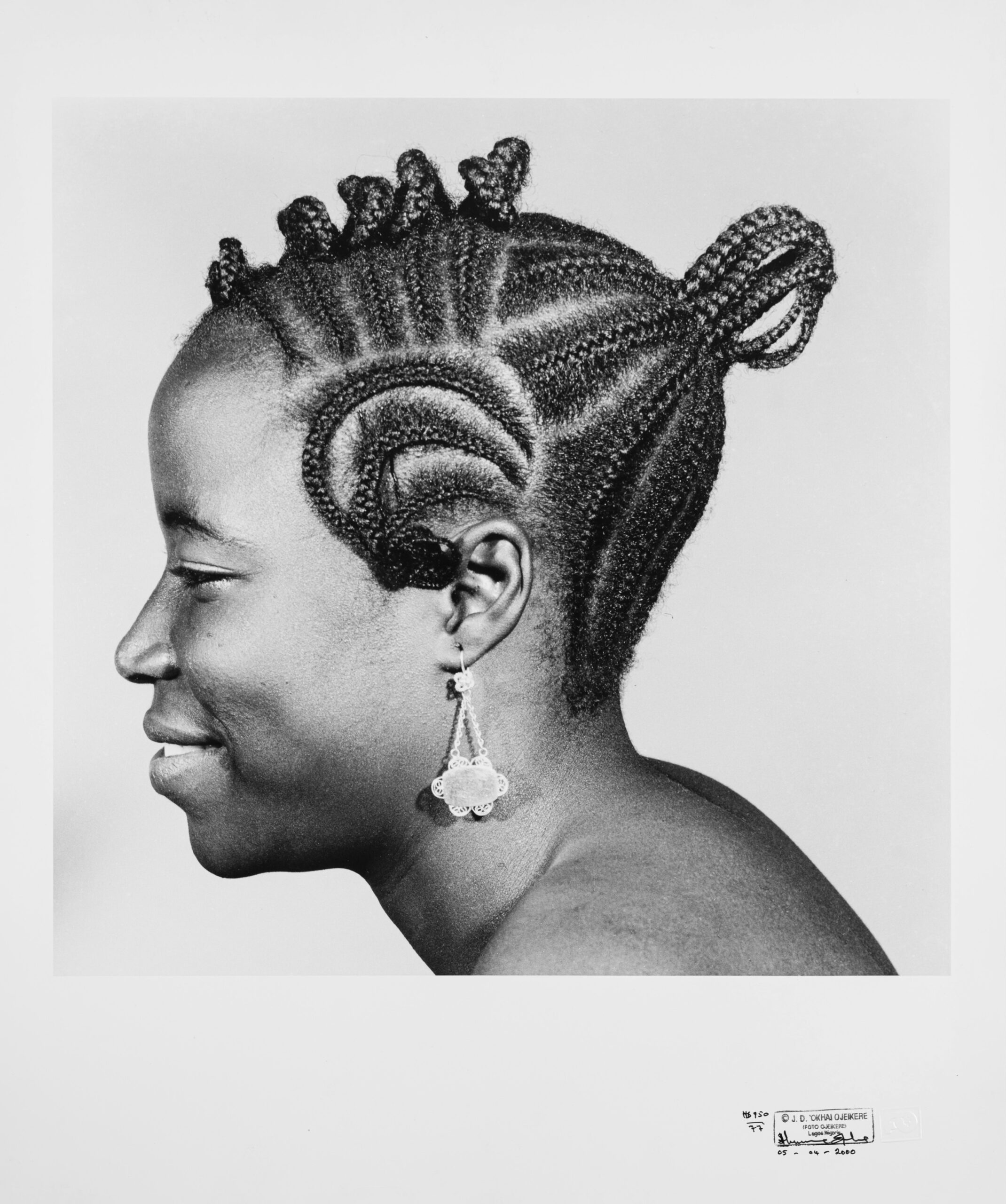
J.D. ‘Okhai Oijekere, Suku Sesema from the series Hairstyles 1977 / Courtesy Galerie MAGNIN-A, Paris
Rewriting the body
Some of the strongest moments come when the exhibition turns toward the body as material. The monumental sequence around sculpted physiques and self-transformation feels almost unsettling in its precision. There are bodybuilders, weight-loss rituals, digital avatars, AI manipulations and endless attempts to optimize flesh. A work by Ibrahim Ahmed fractures masculine imagery into uneasy collages: muscles become architecture, strength turns unstable. Across the room, images of a Belgian female bodybuilder by Laure Cottin Stefanelli carry the strange glamour of devotion, with sequins, stage lights, hyper-defined muscles and the theatricality of performance. Beauty here is effort, discipline, and construction.
Then comes the digital layer. Algorithms appear almost like invisible curators of desire. Sarah Amrani’s work investigates facial recognition systems and Western beauty codes embedded inside technologies. François Bellabas pushes further with an interactive apparatus capable of projecting alternative identities in real time. The body ceases to be something we inhabit; it becomes something endlessly edited. And suddenly the exhibition feels less historical than frighteningly contemporary because this is no longer about magazines. It is about cameras we carry in our pockets.
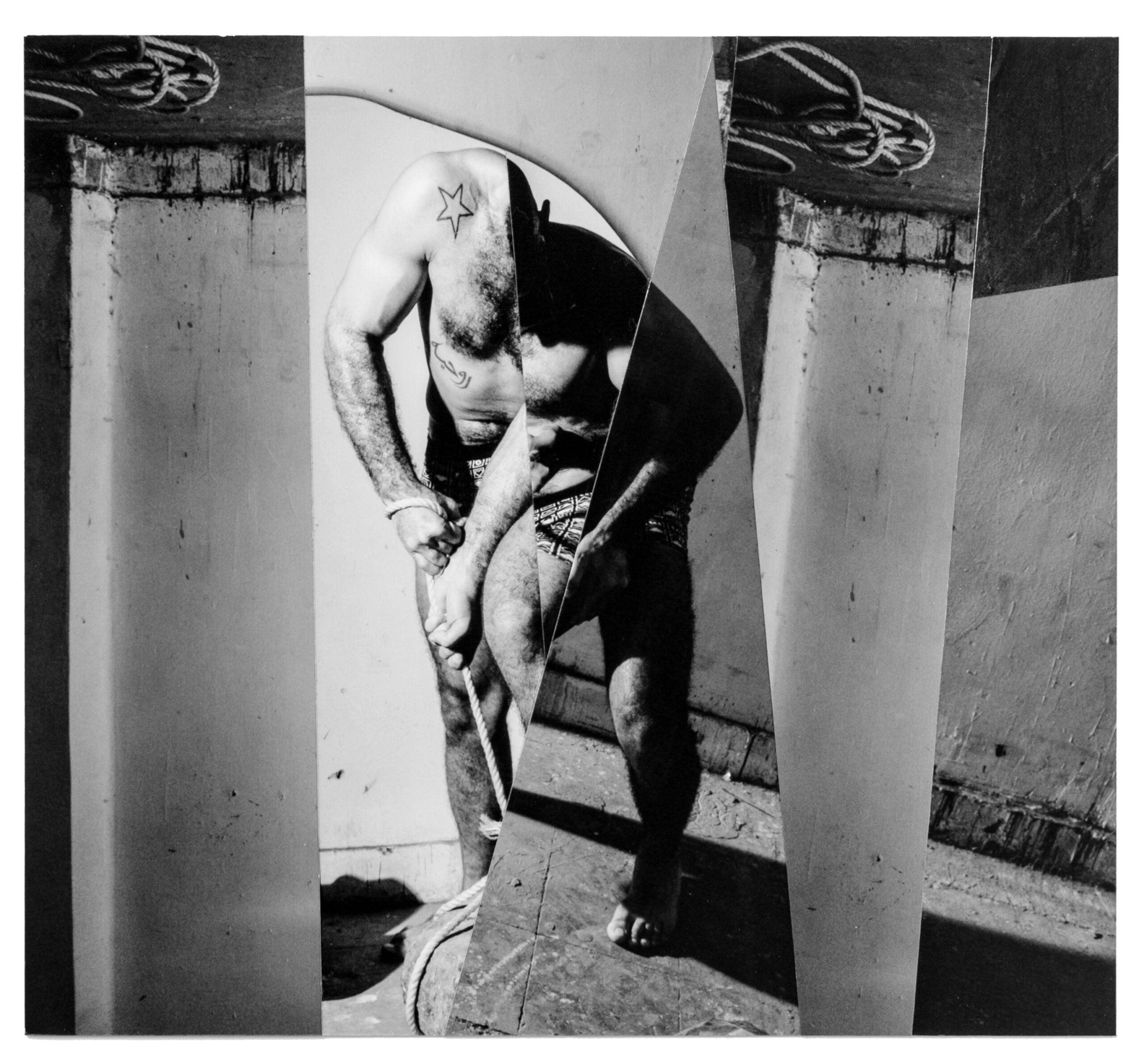
Ibrahim Ahmed, Figure # 31 From “You can’t recognize what you don’t know” series / Courtesy of TINTERA
Cosmetics, fantasies and impossible selves
Midway through the exhibition, the atmosphere shifts again. Lipsticks appear, magazine aesthetics return, television languages and beauty products lined up like devotional objects. The room devoted to consumer culture is among the sharpest. Martha Rosler dissects media representations with surgical clarity. Hannah Wilke dismantles feminine stereotypes long before social media turned self-performance into a profession. Then there is Pipilotti Rist. Her saturated video imagery explodes across the space in electric reds and synthetic greens. Lips smear. Faces dissolve. Seduction becomes almost grotesque. The effect is playful and unsettling at once, as if beauty itself were melting under the pressure of its own expectations. The image chosen for the exhibition campaign captures exactly that tension: glamour pushed just beyond comfort into something messy and defiantly human.
Nearby, the documentary photographs from Zed Nelson’s Love Me series hit differently. A young woman in Tehran recovering from rhinoplasty sits beside her mother in a surgical clinic. Elsewhere, a man in New York undergoes waxing treatment in pursuit of another ideal. The geography changes; the desire remains the same. Perfection speaks every language.
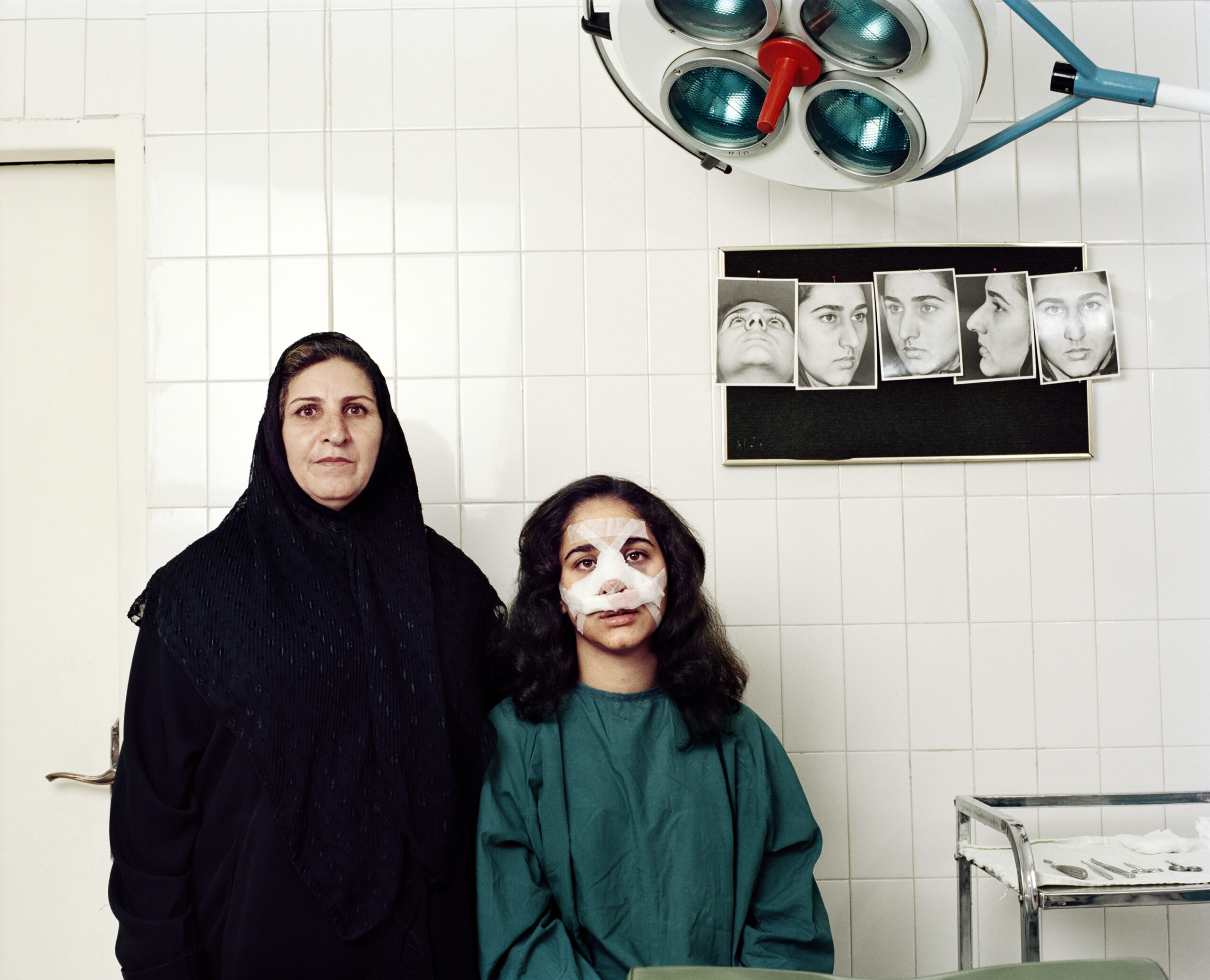
Zed Nelson, Elham, 19, and her mother, 55. Rhinoplasty ‘nose job’ operation, Tehran, Iran. From the series ‘Love Me’ by Zed Nelson
Beauty after perfection
The final rooms are perhaps the most moving. Here the exhibition abandons correction and turns toward reclamation. Aging bodies appear without apology. Queer identities reclaim visibility. Hair, skin, weight, gender, scars, softness, everything traditionally edited out of beauty narratives returns. The photographs by Zanele Muholi radiate dignity and power. Works by Yuki Kihara expose the colonial foundations hidden inside aesthetic hierarchies. Images by Ana Mendieta still feel startlingly contemporary in their insistence that transformation can be spiritual rather than cosmetic.
One of the quiet revelations comes through Sandra Lazzarini’s photographs: mature skin scattered with glitter; folds of flesh holding tiny flowers. Nothing is corrected or hidden, everything glows. By the time visitors reach the final interactive chapter, where video games and digital works invite participation rather than passive viewing, Picture Perfect has completed its reversal. Beauty is no longer a verdict handed down from above: it becomes plural, unfinished, always alive. And leaving the exhibition, crossing back into Brussels, past shop windows and reflected faces in the station glass, it becomes impossible not to notice how strange the old definitions suddenly feel.Haut du formulaire
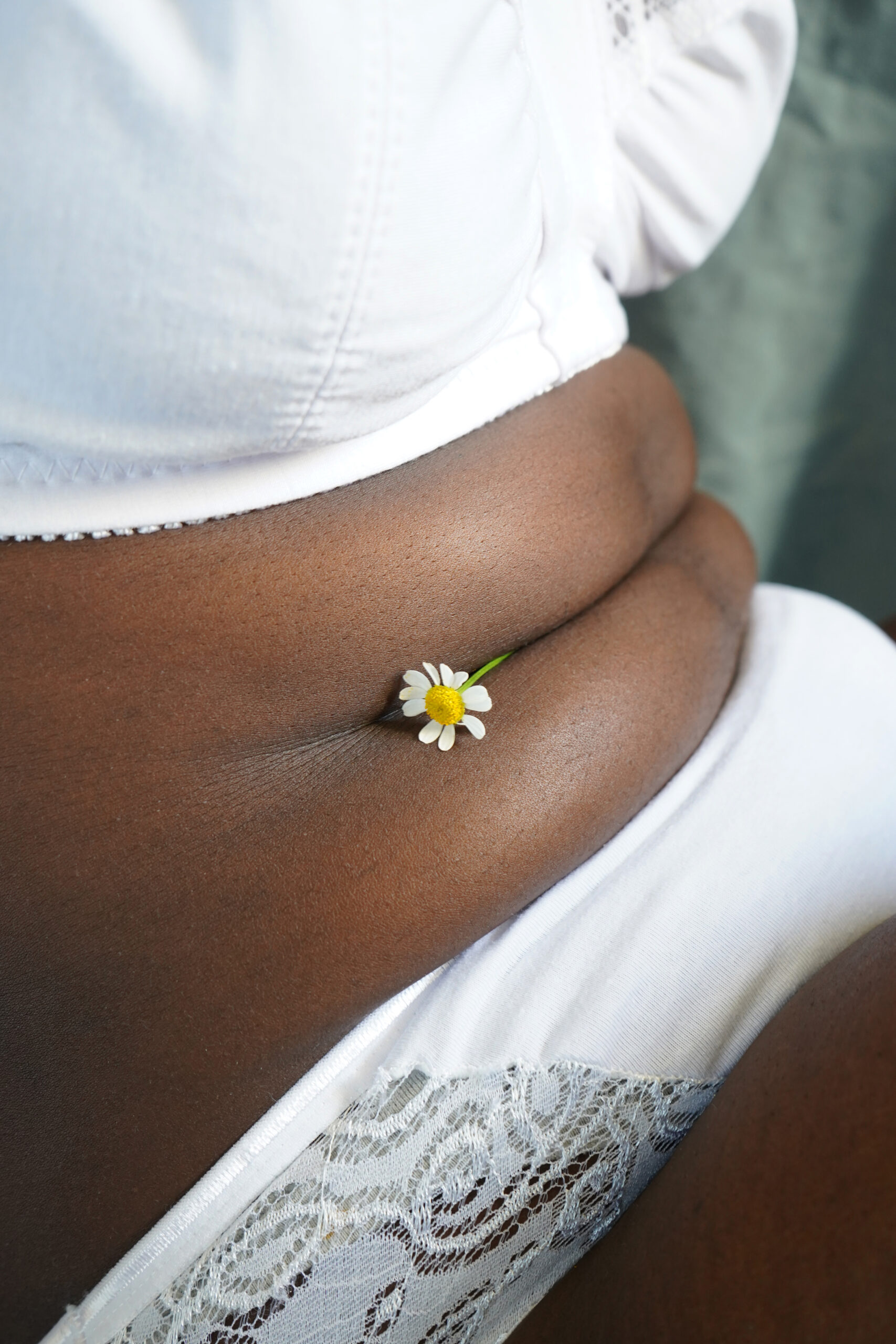
Sandra Lazzarini, Untitled / © Sandra Lazzarini
Picture Perfect: Beauty Through a Contemporary Lens, until 16 August 2026
Bozar, Rue Ravenstein 23, 1000 Brussels, Belgium
Bozar
Picture on top: Pipilotti Rist, Be Nice to Me (Flatten 04) from Open My Glade (Flatten), 2000, video installation by Pipilotti Rist (video still) / © Pipilotti Rist / 2026, SABAM / Courtesy the artist, Hauser & Wirth and Luhring Augustine